
Pool And Swim Safety For Georgia Families: What Every Parent Should Know
- Jun 18
- 4 min read
Updated: Jul 29
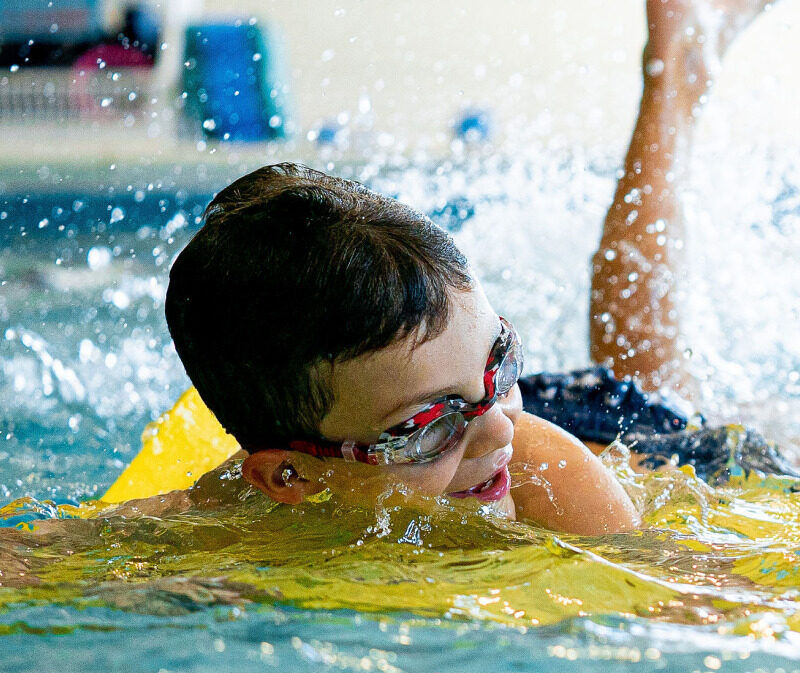
As temperatures rise across Georgia, families spend more time at pools, beaches, lakes, splash pads, and backyard water activities. Swimming is a great way for children to stay active and have fun during the summer months, but water safety should always come first.
According to the Centers for Disease Control and Prevention, drowning remains one of the leading causes of injury-related death for young children. Many water-related incidents happen quickly and quietly, often when adults are nearby but temporarily distracted. The good news is that many water-related injuries can be prevented through supervision, preparation, and safe swimming habits.
Hall Pediatrics provides pediatric telehealth visits for families throughout Georgia and encourages parents to make water safety part of every summer routine.
WHY WATER SAFETY MATTERS
Georgia’s warm climate means many children spend months around pools, lakes, rivers, and beaches each year. While swimming is an excellent activity, children of all ages can face risks around water. Many parents are surprised to learn that drowning is often silent. Unlike what is shown in movies, children may not be able to call for help or attract attention when they are struggling. Even children who have taken swimming lessons still require supervision around water.
IMPORTANT POOL SAFETY TIPS
One of the most effective safety measures is active adult supervision. This means putting away phones, avoiding distractions, and keeping eyes on children whenever they are in or near water. Families should also consider these important safety practices:
• Never leave young children unattended near water.
• Use properly fitted life jackets when appropriate.
• Secure backyard pools with fencing and self-latching gates.
• Learn basic water rescue and CPR skills.
• Establish clear pool rules before swimming.
Children should always understand that swimming is a privilege that comes with safety expectations.
SWIM LESSONS CAN HELP
Many Georgia families choose to enroll children in swim lessons. Swim instruction can help children become more comfortable in the water and learn basic safety skills. However, swim lessons do not eliminate risk. Children may develop confidence before they fully develop judgment, which is why supervision remains important even for strong swimmers. Parents should continue to monitor children closely regardless of swimming ability.
WATER SAFETY BEYOND THE POOL
Summer water safety isn’t limited to swimming pools. Georgia families often spend time around:
• lakes
• rivers
• beaches
• boats
• water parks
• splash pads
Natural bodies of water can present additional challenges such as changing currents, uneven surfaces, limited visibility, and varying water depths. Parents should review safety expectations before each outing and ensure children understand the rules for that specific environment.
SIGNS A CHILD MAY NEED MEDICAL ATTENTION AFTER A WATER INCIDENT
Sometimes children seem fine immediately after a water-related incident but later develop symptoms that concern parents. It may be helpful to contact a pediatric provider if a child develops:
• persistent coughing
• breathing difficulty
• unusual fatigue
• vomiting
• chest discomfort
• changes in behavior after a water incident
IMPORTANT! Parents should seek emergency care immediately if a child is having trouble breathing or appears seriously ill.
HOW PEDIATRIC TELEHEALTH CAN HELP FAMILIES
Parents often have questions about summer safety, swimming concerns, and symptoms that develop after water activities. A pediatric telehealth visit can provide guidance when families are unsure whether symptoms need further evaluation. Telehealth visits may help parents discuss:
• water-related concerns
• coughing after swimming
• minor injuries
• summer illness symptoms
• preventive health questions
Telehealth also allows families to connect with a pediatric provider from home, helping parents make informed decisions about next steps.
Learn more about telehealth services here:
MAKING WATER SAFETY PART OF YOUR FAMILY’S SUMMER ROUTINE
Pool and swim safety conversations should happen before children enter the water, not after a close call. Simple habits such as active supervision, swim lessons, life jackets, and clear rules can help reduce risks and allow families to enjoy summer activities more safely. By making water safety part of your family’s routine, you can help children build confidence while creating safer experiences around pools, lakes, and beaches throughout Georgia.
FREQUENTLY ASKED QUESTIONS
At what age should children start swim lessons?
The right age varies from child to child. Parents can discuss readiness and local swim lesson options with their pediatric provider.
Do children still need supervision if they know how to swim?
Yes. Even experienced swimmers should be supervised around water.
Are floaties a substitute for life jackets?
No. Inflatable toys and floatation devices are not considered a replacement for properly fitted life jackets.
What should I do if my child develops symptoms after a water incident?
Parents should contact a healthcare provider if symptoms such as coughing, breathing difficulties, unusual fatigue, or other concerning signs develop after a water-related incident.
Can telehealth help with summer safety concerns?
Yes. Telehealth visits can help families discuss symptoms, injuries, and questions related to summer activities and determine whether further evaluation may be needed.


